


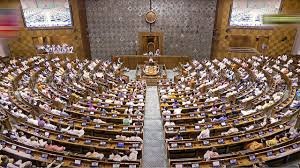
Lok Sabha: मानसून सत्र के पहले दिन संसद में हंगामा, विपक्षी सांसदों ने की नारेबाजी
The Indian Parliament’s Monsoon Session is a crucial time for lawmakers to discuss policies, pass bills, and debate national issues. It’s a time when democracy is on full display, with voices from all sides voicing their views. However, the opening day of this session was far from peaceful. Opponent lawmakers shouted slogans and created chaos in the house. Understanding the causes behind such protests and their impact helps us see how democracy functions in tough moments. These disruptions are not just about noise—they reflect deeper disagreements and challenges within Indian politics.
संसद का मानसून सत्र: परिप्रेक्ष्य और महत्व
सत्र का ऐतिहासिक महत्त्व और भूमिका
The Monsoon Session has been a part of Indian parliamentary tradition for decades. It usually happens in July-August and is the time when most legislative work is done. Historically, it has seen moments of cooperation as well as clashes. This session is where the government’s plans are scrutinized, and opposition parties hold it accountable. Parliament acts as a bridge for dialogue between the ruling party and those who oppose it.
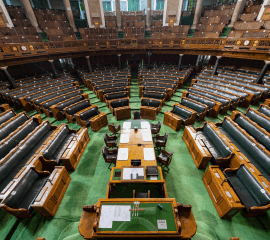
इस सत्र का राजनीतिक और आर्थिक महत्व
This session is vital for introducing new laws and policies. Whether it is a reform in agriculture, banking, or infrastructure, most decisions are made now. It also sets the tone for the country’s economic future. Debates here have a direct impact on national priorities, budgets, and plans. When lawmakers oppose or support these measures vocally, it shapes India’s progress.
पहले दिन का हंगामा: कारण और घटनाक्रम
विपक्ष की मुख्य मांगें और उनकी तर्कशीलता
Opposition MPs often demand answers on pressing issues like inflation, corruption, or governance. On the first day, many lawmakers questioned the government’s handling of key sectors. They wanted clarity on policies they believed were flawed or incomplete. Their frustration stems from feeling ignored or sidelined on critical topics.
नारेबाजी और हंगामे का कारण
The immediate cause of the chaos was a disagreement over a specific bill or statement made by the government. When members felt their points were dismissed or ignored, they responded with slogans and protests. Sometimes, opposition leaders accuse the government of stifling debate. Previous incidents, such as during budget sessions, have shown how tensions can quickly escalate.
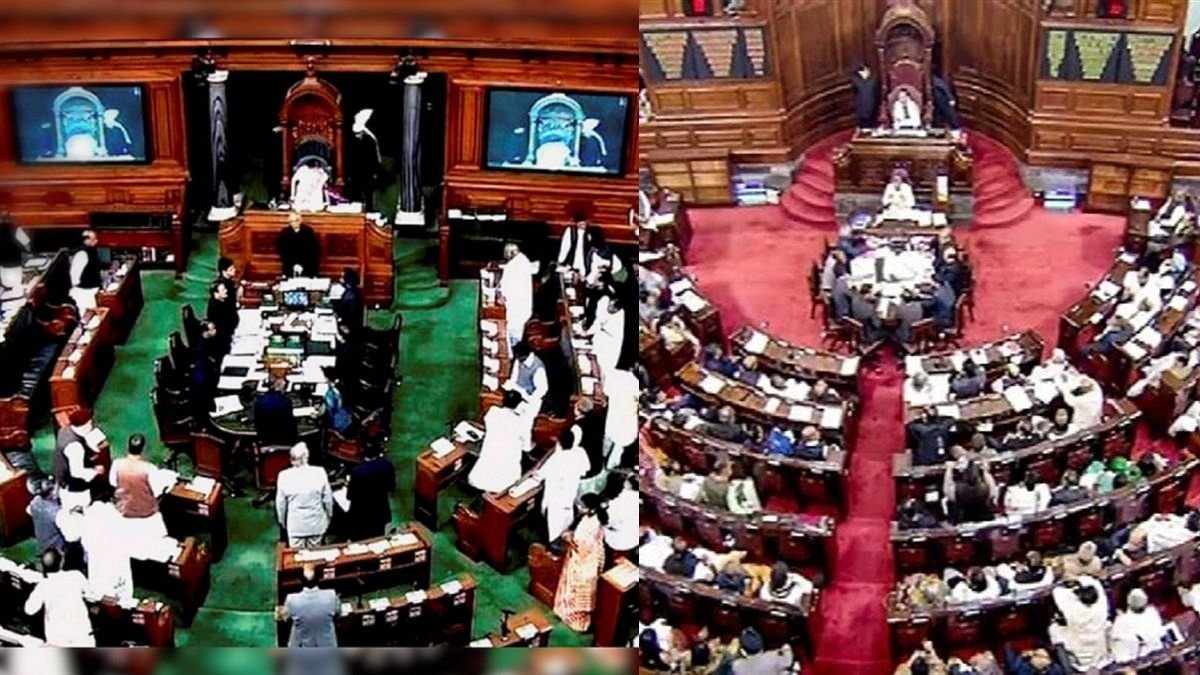
हंगामे के दौरान संसद की कार्यवाही का प्रभाव
Such disruptions halt parliamentary proceedings. Bills get delayed, discussions are cut short, and legislative business suffers. This not only weakens the democratic process but also frustrates citizens waiting for decisions. The image of a functioning democracy takes a hit when order disappears from the house.
किस तरह से हंगामे को संभाला गया: सरकार और सांसदों के कदम
सरकार की रणनीति और प्रतिक्रिया
The government often calls for calm and urges lawmakers to maintain decorum. Some ministers may make statements to address specific issues raised during protests. Efforts to resume proceedings include appealing to the opposition to follow parliamentary norms. In some cases, dialogue or suspension is used to regain control.
विपक्ष की रणनीति और उनके नेता का दृष्टिकोण
Opposition leaders see protests as a way to draw attention to their concerns. They aim to highlight what they call government failures or injustices. Their approach often includes rallying other MPs and using slogans as a form of protest. Some leaders may also threaten to boycott or walk out if their demands are not met.

विश्लेषण: हंगामे का राजनीतिक, सामाजिक और विधायी प्रभाव
राजनीतिक स्तर पर प्रभाव
Chaotic sessions can influence upcoming elections by energizing voters or alienating the public. It sharpens political divides and exposes differences between parties. Such moments also test the maturity and patience of lawmakers.
सामाजिक और जनता पर प्रभाव
Media coverage of parliamentary chaos shapes public opinion. While some see it as democracy in action, others view it as disorder. Citizens may feel disappointed or frustrated when their elected representatives act unruly. The role of the opposition in a vibrant democracy includes questioning, but there are limits to protests.
विधायी प्रक्रिया पर असर
When sessions are disrupted, many laws remain pending. It delays important reforms and development projects. To improve this, rules can be strengthened to keep debates focused and respectful. Creating a more disciplined environment will help parliament work effectively and serve the people better.
विशेषज्ञ और विश्लेषक का दृष्टिकोण
Political analysts say that such protests are a sign of a healthy democracy but need to be managed better. Some scholars argue that persistent disruptions can weaken the legitimacy of legislative institutions. They recommend measures like stricter rules to prevent petty disruptions and promote constructive debate.
आगे का रास्ता
The first day of the Monsoon Session highlighted the deep political tensions in India. While protests can drive attention and bring issues to the forefront, they also hinder progress. The way forward requires balancing assertiveness with civility. Both the government and opposition need to find common ground for productive discussions. Strengthening parliamentary decorum will help democracy function smoothly and benefit the citizens the most. Continued dialogue, transparency, and respect are keys to resolving conflicts within the house.
Saudi Arabia के ‘सोते हुए राजकुमार’ अल वलीद बिन खालिद का 20 साल की कोमा के बाद निधन
Follow us on Facebook
India Savdhan News | Noida | Facebook