


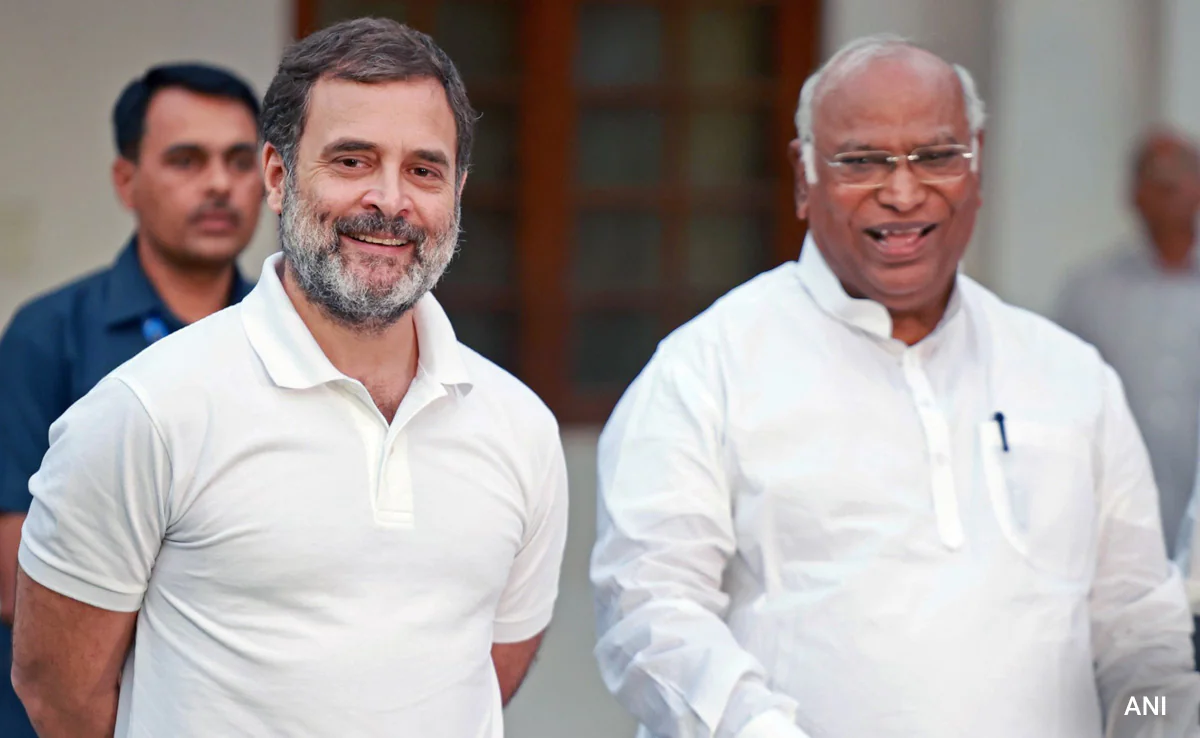
Rahul Gandhi and Mallikarjun Kharge Issue Stern Warning to Punjab Congress: ‘We Will Fix You’
In the heated world of Indian politics, few statements pack as much punch as Rahul Gandhi’s recent warning to Punjab Congress leaders. “Kharge and I will fix you,” he said, aiming straight at the infighting that’s plagued the state unit. This bold move comes amid growing tensions that could derail the party’s plans in a key battleground state.
Punjab holds a special spot in national politics. It’s a mix of rural heartlands and urban hubs, where votes can swing big elections. With assembly polls on the horizon and national battles brewing, the Congress needs a united front here. Internal fights weaken that stance, letting rivals like AAP and Akali Dal gain ground. Gandhi’s words signal a no-nonsense push for discipline.
The Core of the Ultimatum: Decoding the ‘We Will Fix You’ Message
Rahul Gandhi’s warning didn’t come out of nowhere. It points to deep rifts within the Punjab Congress that have simmered for years. Leaders clashing over power and seats have hurt the party’s image. This “fix you” line feels like a wake-up call, urging them to fall in line or face the consequences.

Internal Dissent and Factionalism as the Root Cause
Infighting in Punjab Congress goes back to the 2022 assembly elections. Back then, the party lost big to AAP, and blame flew everywhere. Key figures like Navjot Singh Sidhu and Captain Amarinder Singh traded barbs openly. Sidhu quit as state chief after clashing with then-Chief Minister Charanjit Singh Channi. These spats showed a lack of team spirit, with groups pulling in different directions.
Public reports highlight more recent dust-ups. In late 2025, local leaders argued over candidate picks for upcoming local polls. One district head even boycotted a party meet, calling it a “sham.” Such acts breed distrust. They make it hard for the party to push a clear message on issues like farm laws or youth jobs. Factionalism isn’t new, but it’s hitting harder now as national leaders eye Punjab for revival.
Prominent names fuel the fire. Sidhu still rallies his supporters, while others like Partap Singh Bajwa push their own agendas. This defiance slows down grassroots work. Without fix, the party risks more losses, just like in past cycles.
Kharge’s Authority and Rahul Gandhi’s Direct Intervention
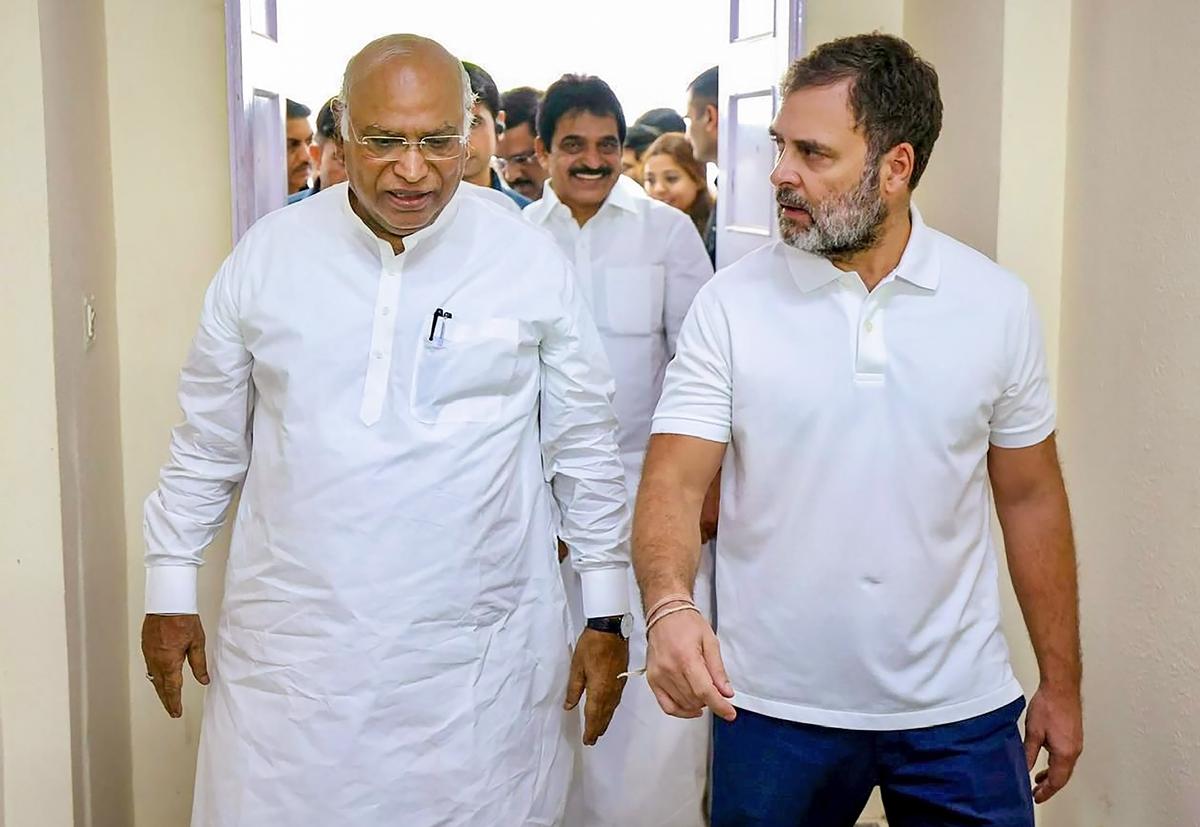
Mallikarjun Kharge, as Congress President, brings real clout to this warning. He’s the top boss, elected to steady the ship after tough years. Pairing him with Rahul Gandhi, the former president and key strategist, amps up the message. It shows the high command means business—no more kid gloves.
This duo’s intervention marks a shift. Past efforts, like sending observers in 2023, led to short-term calm but no lasting change. Gandhi’s direct words feel sharper, like a last straw. He spoke at a virtual meet in January 2026, eyes on stabilizing before mid-year events. It contrasts with softer approaches under Sonia Gandhi’s time. Now, it’s clear: toe the line or step aside. This setup reinforces central power over state egos.
Analyzing the Leadership Landscape in Punjab Post-Warning
The warning shakes up Punjab’s political scene. It puts the spotlight on how the state unit runs day-to-day. Leaders now scramble to show unity, but questions linger about real change.
Current State Government Performance Under Scrutiny
Punjab’s Congress-led government faces heat on several fronts. Public views on handling floods and debt have soured, with surveys showing approval dipping below 40% in early 2026 polls. Internal strife ties into this—factions blame each other for flops in power supply or school reforms. Chief Minister Bhagwant Mann’s AAP rules now, but Congress eyes a comeback. Poor governance perceptions stem from delays in key projects, like irrigation upgrades.
Leadership calls add to the mess. Decisions on alliances or fund use spark rows. For instance, a 2025 budget push for farmer aid split opinions, with some leaders pushing rival plans. This friction weakens the opposition role. If not fixed, it hands rivals easy wins in public debates.
The Role of Central Observers and Organizational Restructuring
Right after the warning, the high command sent in observers. A three-member team landed in Chandigarh last week to review the setup. Their job: spot trouble spots and suggest fixes. Rumors swirl of reshuffles—maybe new district chiefs or a youth wing overhaul.
These observers report straight to Kharge and Gandhi. They aim to cut red tape and boost worker morale. Past office bearers might lose posts if they don’t align. In one quick move, a vocal critic got a warning note. This restructuring could streamline ops, but it risks pushback from old guards. Overall, it sets a tone for tighter control.
Political Implications: Signals to Opposition and Party Workers
Gandhi’s stern words ripple beyond Congress walls. They shape how foes see the party and how insiders react. In Punjab’s cutthroat arena, every signal counts.
Messaging Directed at Rival Parties in Punjab
Opposition groups like AAP and Shiromani Akali Dal watch closely. This show of central muscle might look like strength—Congress getting its act together. But it could also scream weakness, exposing cracks. AAP’s Arvind Kejriwal might mock it as “family meddling,” using it in campaign ads.
On alliances, it changes the game. Talks for seat shares with smaller parties could firm up if unity sticks. Or, if fights drag on, rivals might poach unhappy leaders. Think of how Akali Dal lured defectors in 2024. This warning aims to block that, projecting a ready-for-battle Congress.
Impact on Grassroots Congress Workers and Future Recruitment
Local workers hear this loud and clear. It tells them discipline pays off—stick to the plan for better roles. You might see more spots open in committees if top leaders step back. Dedicated folks could rise faster, especially youth or women wings.
But will it fire up the base or push them away? Some regional bosses feel sidelined, maybe quitting quietly. Others get motivated to double efforts on door-to-door campaigns. For recruitment, it draws in fresh faces tired of chaos. Expect drives in rural areas to highlight unity. In the end, it tests loyalty—will workers buy into the fix or jump ship?
- Career Tip for Workers: Focus on local issues like water access to build trust.
- Watch For: More training sessions from the center to align everyone.
- Risk Alert: Ignoring the warning could mean lost funding for your area.
Historical Precedents for High Command Intervention in State Units
Congress has a track record of stepping in when states go rogue. These cases offer clues on what might happen next in Punjab.
Lessons from Past Disciplinary Actions in Other States
Take Uttar Pradesh in 2017. The high command sacked leaders after election woes, leading to a rebuild. It worked short-term, but losses piled up later. In Karnataka 2019, warnings to infighters helped form a coalition, holding power till 2023.
Chhattisgarh saw a 2022 crackdown post-defeat. Observers revamped the unit, aiding a 2023 win. Success varies—strong enforcement brings wins, loose ones fail. In Punjab’s case, the goal seems consolidation, not just a band-aid.
Outcomes mix. Some interventions stabilize for years; others spark more revolt. Key lesson: Follow-through matters. Without it, rifts reopen.
Expert Analysis on Central Control vs. State Autonomy
Political watchers say central grip works best in crises but chafes long-term. Analysts like Yogendra Yadav note that Punjab’s strong regional ties resist Delhi’s pull. “It’s like herding cats,” one expert quipped in a recent panel.
Common views highlight balance. Too much control kills local flavor; too little breeds chaos. In interviews, Prashant Kishor argued for hybrid models—center sets rules, states run shows. For Punjab, sustainability hinges on quick wins, like poll gains, to justify the push.
The Future Trajectory of the Punjab Congress Unit
Unity clashes with deep-rooted power plays in Punjab Congress. Gandhi and Kharge’s warning spotlights this tug-of-war, pushing for a tighter ship amid election pressures.
Key takeaways include:
- Leaders must end public spats within weeks to show progress.
- Observers’ reports could trigger reshuffles by March 2026.
- Success means better coordination on campaigns, leading to seat gains.
- Watch for alliance talks to test the new discipline.
If the “fix” takes hold, Punjab could rebound as a Congress stronghold. Workers, stay tuned—this could reshape your role in the fight. Share your thoughts on how this plays out in the comments.
Keshav प्रसाद मौर्य को ब्रिटेन का वीजा नहीं मिला, उन्होंने जर्मनी से निवेशकों के साथ बातचीत की
Follow us on Facebook
India Savdhan News | Noida | Facebook