


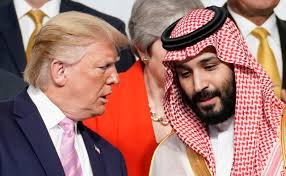
MBS to Trump: ‘Keep Hitting Iran Very Hard’ – Analyzing the “Cut the Head of the Snake” Strategy Amid Escalating Regional Conflict
Tensions in the Middle East just spiked higher. Saudi Crown Prince Mohammed bin Salman, known as MBS, made a bold call to former President Donald Trump. He pushed for the US to ramp up strikes on Iran amid a fresh wave of violence that some call an exploding war.
MBS used stark words. He urged Trump to “keep hitting Iran very hard” and floated the idea to “cut the head off the snake.” This phrase points to Iran’s leadership as the root of troubles like proxy attacks across the region. It’s a strategy rooted in years of Gulf fears about Tehran’s reach.
As clashes grow in places like Yemen and Syria, Saudi Arabia sees this as a now-or-never moment. MBS wants the US back in the fight with full force. We need to unpack what this means for peace or more chaos.
MBS’s Diplomatic Push: Direct Appeals to Trump on Iran Strategy
MBS reached out to Trump in early March 2026, right after a major drone attack hit Saudi oil fields. Iran-backed groups claimed credit, and Riyadh blamed Tehran directly. This incident lit a fire under MBS to demand quick US action.
He sees Iran as the main threat to Gulf stability. Without strong hits on its core power, proxies will keep striking. Trump’s past tough stance gives MBS hope for a comeback if he returns to office.
The Rationale Behind the Urgency for Escalated Confrontation
Recent blasts near key ports show Iran’s hand at work. Saudi leaders fear a full blockade could cripple their economy. MBS told Trump that half-measures won’t stop the spread of these attacks.
You can feel the panic in Riyadh’s halls. They want the US to target Iran’s command centers, not just the fringes. This push comes as oil prices jump 15% in a week from the unrest.
Why now? A leaked report claims Iran moved more missiles to proxies. Saudi intel says this ups the risk of a wider war. MBS argues delay means disaster.

Deconstructing the “Head of the Snake” Metaphor in Gulf Security Doctrine
The “cut the head of the snake” line isn’t new. It echoes old US military talk about striking leaders to end threats. For MBS, the head is Iran’s Revolutionary Guard and top officials pulling proxy strings.
Think of it like chopping a weed at the root. The body—groups like Hezbollah or the Houthis—loses power without the head’s orders. Saudi doctrine focuses on these militias as Iran’s arms, hitting Saudi borders often.
- Hezbollah in Lebanon: Fires rockets into Israel, strains Saudi allies.
- Houthis in Yemen: Blockade attempts disrupt Red Sea trade.
- Syrian militias: Keep chaos alive near Jordan, a Saudi partner.
MBS views this as key to breaking Iran’s grip.
Saudi Intelligence Assessments on Iran’s Regional Footprint
Riyadh’s spies track Iran’s moves closely. They share data with the US on hidden bases and fund flows. Lately, reports show Iran doubling arms to Iraq groups, worrying Saudi borders.
Failures in past intel sharing hurt trust. Saudi feels the US held back under Biden, letting Iran grow bold. Now, MBS demands full access to strike plans.
This intel paints Iran as a web spinner. Cut one thread, and others tighten. Saudi pushes for joint ops to map and hit these networks.
Examining the Historical Context of US-Saudi Alignment Against Iran
The bond between Washington and Riyadh runs deep against Iran. Trump’s time in office set the tone with hard sanctions. MBS praised that era for squeezing Tehran’s cash.
Now, as war heats up, he wants a repeat. The “cut the head” plan builds on old plays. It aims to weaken Iran from the top down.
Past wins came from team efforts. Saudi sees room to go further if Trump listens.
The Withdrawal from the JCPOA and its Aftermath
Trump pulled the US from the Iran nuclear deal in 2018. This left a gap that Riyadh cheered at first. They said it freed hands to hit Iran harder.
But chaos followed. Iran ramped up uranium work and proxy hits. Saudi watched attacks on ships in the Gulf, blaming the deal’s end.
MBS now says the vacuum bred this mess. He urges Trump to finish what he started. Without it, regional fires keep burning.
Precedent: Past Joint Military or Economic Pressure Points
Look back to 2019. US and Saudi hit back after drone strikes on Aramco sites. They blamed Iran and tightened sanctions together.
Economic bites worked too. Oil exports from Iran dropped 80% under pressure. MBS wants more of that, plus air strikes on bases.
- Sanctions on banks: Cut Iran’s trade by billions.
- Joint patrols: US ships guarded Saudi waters.
- Arms deals: Billions in weapons to boost Riyadh’s defense.
These steps set a model. MBS signals to double down now.
Geopolitical Implications of Saudi Arabia’s Hardline Stance
If the US follows MBS’s lead, the region could tip into full war. Saudi’s call amps up old rivalries. Iran won’t sit idle; expect fierce pushback.
You wonder: Is this smart containment or a spark for disaster? The stakes involve oil flows and global markets. Let’s break it down.
Analyzing the Risk of Direct Regional War
Direct hits on Iran could pull in allies on both sides. Flashpoints like border skirmishes might explode fast. Saudi bets on US might to tip the scale.
But risks loom large. A misstep could close key routes. War would hike gas prices worldwide.
Escalation means more lives lost. Proxies turn to bombs and missiles. Peace talks fade as guns speak louder.
The Strait of Hormuz: Chokepoint Vulnerability
This narrow waterway carries 20% of world oil. Iran has threatened to mine it before. A clash there could spike prices to $150 a barrel.
In 2019, tanker attacks there shook markets. Now, with war exploding, fears grow. Saudi ships pass daily; one hit changes everything.
Data shows: Daily transit hits 21 million barrels. Block it, and economies stall. US Navy watches close, but Iran has fast boats ready.
Proxy Conflicts: Yemen, Syria, and Lebanon Under Increased Tension
Yemen’s Houthis fire at Saudi cities weekly. US pressure might draw heavier Iranian aid. That turns a civil war into a bigger mess.
In Syria, Iran-backed forces hold ground. Escalation could pull in Turkey or Israel. Lebanon sees Hezbollah arming up, eyeing borders.
These spots act like fuses. Light one, and the chain reacts. MBS knows this but pushes anyway.
Impact on Future US Foreign Policy and Alliances
MBS’s words shape how the world sees US power. It ties America to Saudi goals. Future leaders might face blowback from endless fights.
Allies watch close. Europe pushes talks, but Gulf states cheer hard lines. This appeal tests US commitments.
The Role of Arms Sales and Security Guarantees in Riyadh’s Demands
Saudi wants more F-35 jets and missile shields. They link these to anti-Iran plans. US sales top $100 billion since 2017.
Guarantees mean US troops stay put. Riyadh trades oil for protection. MBS uses this to nudge policy.
Without them, Saudi feels exposed. The appeal ties hardware to hitting Iran hard.
Reactions from Regional Non-Aligned States (e.g., Turkey, Iraq)
Turkey stays out, trading with all sides. They fear war spills over borders. Iraq, split by sects, dreads more chaos from proxies.
Both push for calm. Turkey hosts talks; Iraq hosts US and Iran forces. An escalation alienates them.
Expert Analysis and International Reaction to the Escalation Narrative
Experts in DC buzz about MBS’s call. Some see it as smart pressure; others as reckless. Trump’s circle hints at old ties warming up.
The world splits on this. Hardliners back it; diplomats fear fallout.
Voices from Washington: Interpreting the Trump Administration’s Response
Trump nodded to MBS in a recent speech. He called Iran a “bad actor” needing hits. No firm pledge yet, but signals point to support.
His team eyes the appeal as a win. Past deals with Saudi run deep. Action might come if polls favor tough talk.
Congressional Skepticism Regarding Escalation Paths
Lawmakers push back hard. Some Dems call it foreign meddling. Bills aim to curb arms without Congress okay.
GOP splits too. Hawks like it; others fear war costs. Hearings probe the risks of “cut the head” plans.
Doubts grow as budgets strain. Voters ask: Why fight Iran’s war?
International Community Response: Calls for De-escalation
UN leaders urge talks over strikes. China and Russia back Iran, vetoing sanctions. They see US-Saudi moves as bullying.
Europe hosts summits for peace. Oil buyers like Japan worry most. Stability means steady prices.
European and Asian Stakeholders Concerned with Oil Markets
EU nations import 25% of oil from the Gulf. Disruptions hit their factories. They lobby for deals, not bombs.
Asia faces worse. India and South Korea guzzle Gulf crude. Prices up means inflation spikes.
One expert says: “War here hurts everyone.” Calls for cease-fires echo loud.
Weighing Containment Against Catastrophe
MBS’s urgent plea to Trump spotlights a core clash. Saudi pushes to “keep hitting Iran very hard” with a “cut the head of the snake” aim. It seeks to end threats at the source, but risks a regional firestorm.
This stance shows Riyadh’s bet on US muscle over talks. The exploding war adds pressure. Yet, blowback could dwarf gains.
Weigh it: Strong action might curb Iran, but at what cost? Proxy fights and oil shocks loom. The US must balance ally calls with global calm.
Key Takeaways:
- Saudi Arabia eyes aggressive steps to check Iran’s power through proxies like Houthis and Hezbollah.
- MBS’s direct line to Trump revives old pacts, stressing shared security needs.
- Success depends on US views of war risks versus long-term peace.
What do you think—time to hit hard or seek dialogue? Share your take in the comments. Stay informed on Middle East shifts to grasp the big picture.
चुनाव कार्यक्रम की घोषणा से पहले Mamata बनर्जी के महंगाई भत्ते से संबंधित कदम पर चुनाव आयोग ने क्या कहा?
Follow us on Facebook
India Savdhan News | Noida | Facebook