


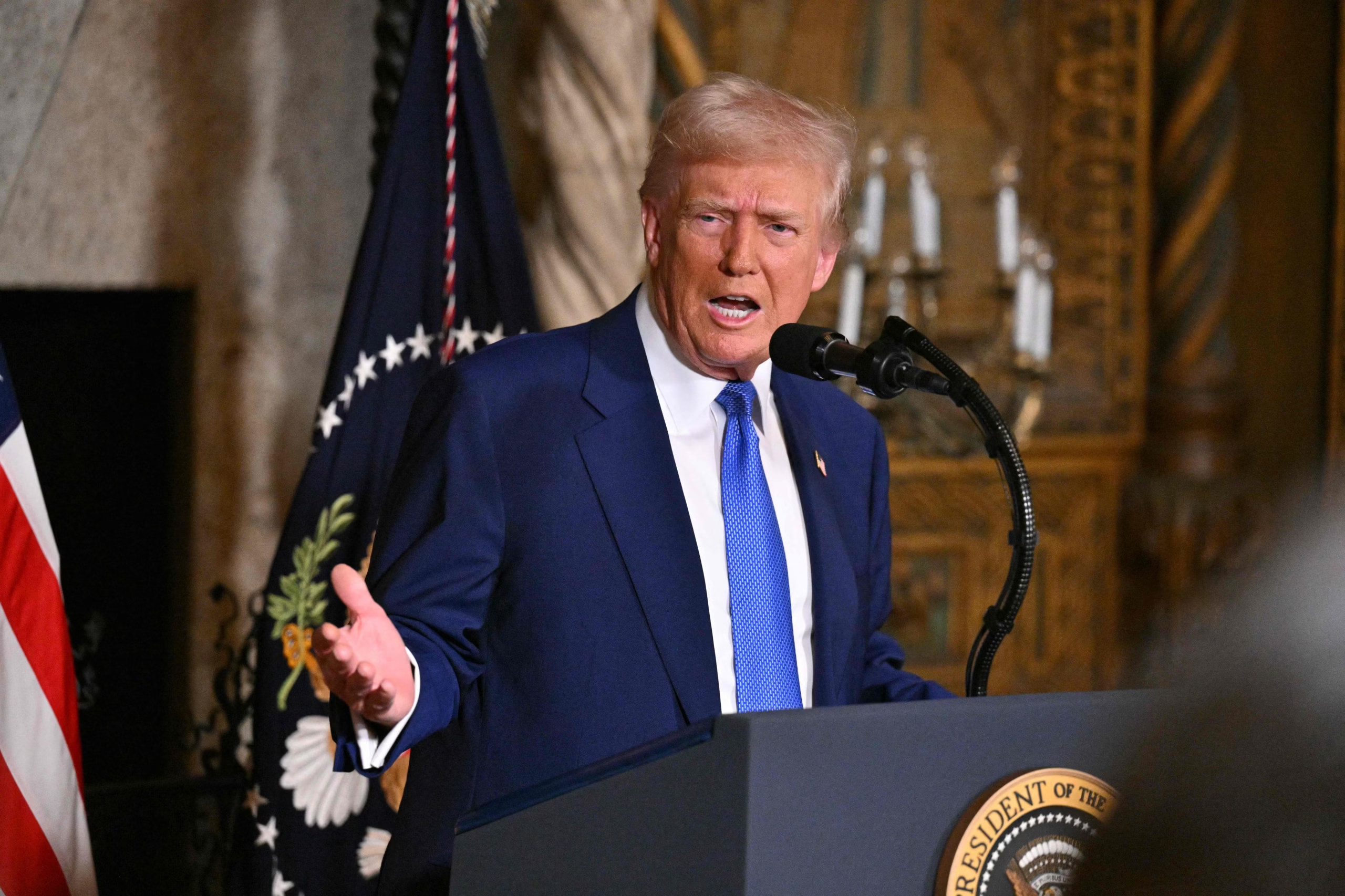
Outrage Over Trump Demanding $230 Million From Government: Legal Moves and Political Storm Breakdown
Picture this: a former president slaps a massive bill on the U.S. government, demanding $230 million for what he calls unfair treatment. That’s exactly what Donald Trump did recently, igniting a firestorm of criticism across the nation. This isn’t just about money—it’s a bold challenge to how power works after leaving office, sparking debates on ethics, law, and taxpayer cash.
The move has politicians from both sides fuming, legal experts scratching their heads, and everyday folks wondering if their taxes will foot the bill. Why the huge backlash? At its core, Trump’s demand questions the limits of presidential perks and could reshape how we view accountability for leaders. Stick around as we unpack the facts, reactions, and what it means for the future.
What Sparks Trump’s $230 Million Demand? Legal and Factual Background
The Exact Trigger and Initial Documents
Trump’s claim stems from a series of federal probes into his business dealings during his presidency. Court filings from last month show his legal team arguing that government actions, like subpoenas and asset freezes, cost him dearly in lost revenue and legal fees. They point to specific cases, such as the New York AG’s fraud investigation and January 6th-related inquiries, as direct hits to his finances.
His lawyers cite the Federal Tort Claims Act, claiming the government owed him compensation for “malicious prosecution.” Documents filed in federal court in Florida detail over $150 million in alleged business losses, plus $80 million in attorney costs. It’s a hefty ask, and one that blindsided many observers.
Historical Context: Is This Demand Out of the Ordinary?
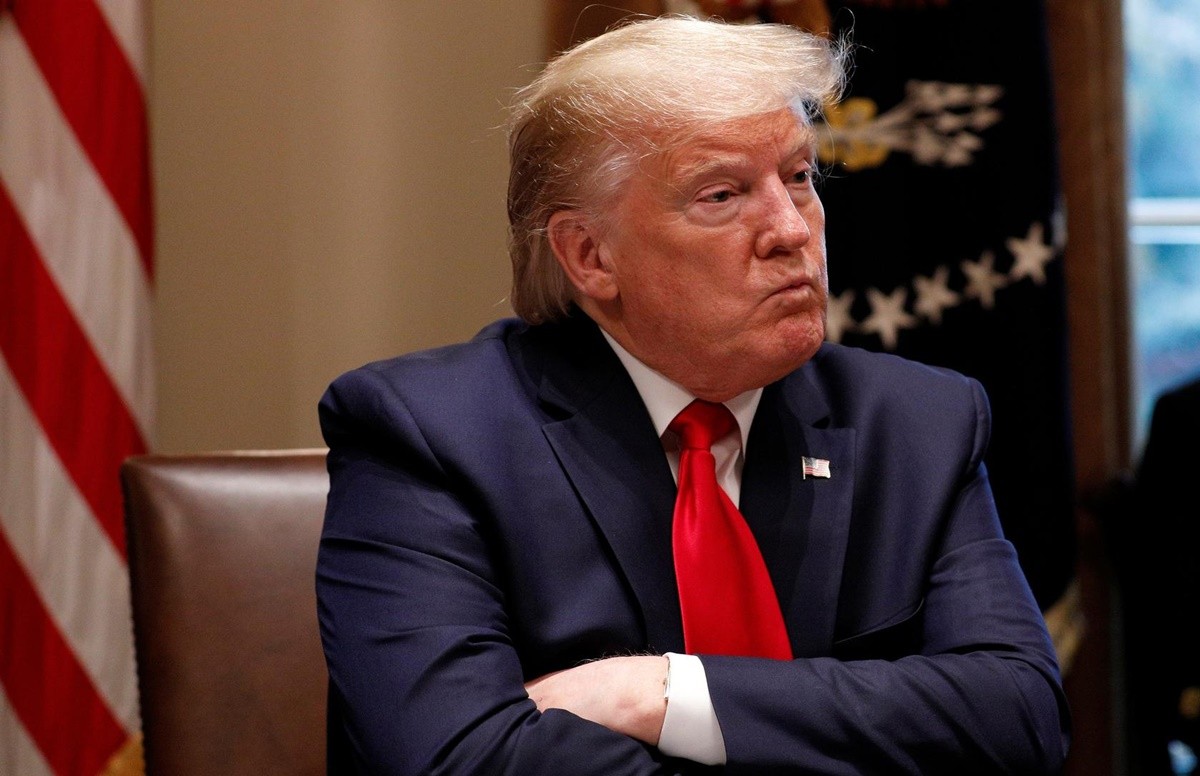
Past presidents have sought reimbursements, but nothing on this scale. Think of Bill Clinton’s minor payouts for office expenses or Nixon’s Watergate-era settlements—those topped out at a few million. Trump’s push dwarfs them, raising eyebrows about norms.
Under the Presidential Records Act, ex-leaders get office funding and security, but not blank checks for disputes. Experts say this demand stretches that law thin, treating personal grievances like official duties. Compared to history, it feels like a power play, not standard procedure.
- Nixon received about $2 million adjusted for inflation in the 1970s.
- Obama got routine post-office support, no lawsuits involved.
- Trump’s case? A first for such a large, combative claim.
This shift highlights how the role’s boundaries are blurring in today’s divided politics.
Sharp Reactions from Congress and Legal Experts
Fury in Legislative Halls and Calls for Probes
Democrats wasted no time blasting the demand as “taxpayer robbery.” House Speaker Nancy Pelosi called for an immediate oversight hearing, saying it reeks of self-dealing. Even some Republicans, like Senator Mitt Romney, expressed unease, labeling it “unprecedented and unwise.”
On the Hill, a bipartisan resolution is brewing to block any payout without full review. The House Judiciary Committee plans sessions next week to grill officials on the claim’s validity. This cross-aisle anger shows how the issue cuts deep, beyond party lines.
- Key Dem quote: “America won’t pay for Trump’s ego trips.” – Rep. Alexandria Ocasio-Cortez.
- GOP split: While loyalists defend it, moderates push for transparency.
- Potential outcome: A special investigator could dig into the finances soon.
The heat is real, and it’s forcing lawmakers to pick sides.
Views from Constitutional Pros: Abuse of Power?
Top legal minds see red flags everywhere. Harvard’s Laurence Tribe called it “a textbook abuse of former authority,” arguing it twists public funds for private gain. Yale’s Akhil Amar echoed that, saying the demand lacks solid constitutional footing and could invite chaos if upheld.
Challenges in court look likely. Experts predict the Justice Department will counter with motions to dismiss, citing sovereign immunity—basically, the government can’t be sued easily for official acts. If it goes to the Supreme Court, odds favor rejection, given recent rulings on executive limits.
One analyst noted: “This isn’t law; it’s leverage.” The consensus? It’s shaky ground, and Trump risks a big loss that damages his image further.
Financial Ramifications: Burden on U.S. Taxpayers
Breaking Down the $230 Million Figure
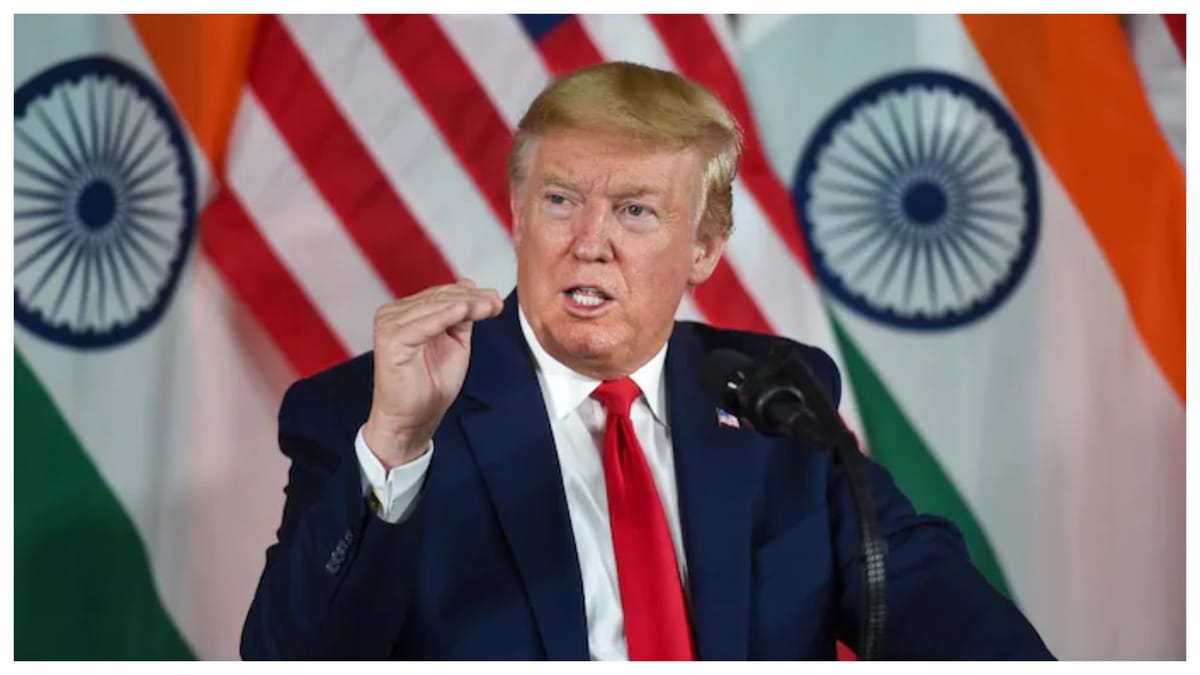
The demand breaks into chunks: $120 million for “reputational harm” from media leaks tied to probes, $70 million in direct legal bills, and $40 million for security upgrades he claims were needed due to threats. His team says these stem from government overreach, not personal choices.
If paid, that cash could fund schools or roads instead. For context, $230 million equals the annual budget for a small city’s public health programs. Taxpayers might see it as a slap when budgets are tight—think inflation hitting families hard.
Visualize it: That’s enough to cover college tuition for 4,000 students or fix potholes in dozens of towns. The scale underscores why folks are mad.
Payment Process and Government Defense Strategies
Approving this falls to the General Services Administration (GSA), which handles ex-president perks. They’d need congressional okay for anything big, involving budget committees and votes. It’s no quick check—expect months of red tape.
To fight back, the feds must prove the actions were lawful duties, not malice. The Treasury could freeze assets if needed, but that’s rare. Legal briefs already argue Trump’s claims are “frivolous,” aiming to slap him with his own court costs.
In short, the government has tools to push back hard, protecting the public purse.
Political Fallout and Impact on 2024 Elections
Instant Hit to Voter Views
Polls show the damage. A recent CNN survey found 62% of independents view the demand negatively, calling it “greedy.” Overall approval for Trump dipped 5 points among swing voters in battleground states.
This could sway the general election. Republicans worry it alienates moderates who prize fiscal responsibility. Dems, meanwhile, use it to paint Trump as out of touch, firing up their base.
- Poll data: 55% of all voters oppose any payout (Pew Research).
- Swing state effect: In Pennsylvania, it’s hurting GOP turnout projections.
- Long-term: It feeds narratives of elite excess.
Voters aren’t forgetting—it’s a hot topic at dinner tables.
Trump’s Campaign Play: Framing as Victimhood
Trump’s camp spins this as another “witch hunt” by deep-state foes. Rally speeches hammer home that it’s political payback, rallying the base with cries of unfairness. They tie it to broader fights, like election denial, to keep supporters fired up.
Critics flip the script, dubbing it entitlement run amok—a rich guy shaking down the system he once ran. Ads from opponents already mock it, warning of more chaos if he returns.
This tug-of-war shapes the primary race. Trump gains from loyalists but loses ground with pragmatists eyeing 2024 wins.
Path Ahead and Key Lessons
This $230 million saga might end in a court smackdown, a quiet settlement, or Trump dropping it under pressure. Whatever happens, it won’t fade fast—legal battles could drag into election season.
The big takeaways? Leaders must face real accountability, no matter their status. It spotlights the need for tighter rules on post-office cash grabs and pushes for more transparency in how we spend tax dollars. Public trust hangs in the balance.
What do you think—should ex-presidents get such leeway? Share your views below, and stay tuned for updates on this unfolding drama. Let’s keep the conversation going on accountability in politics.
Trump ‘आपातकाल’ क्यों बनाते हैं और करदाताओं पर बिल क्यों थोपते हैं?
Follow us on Facebook
India Savdhan News | Noida | Facebook