


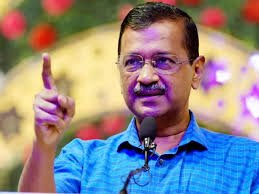
Arvind Kejriwal Demands PM Modi Resignation Over US Waiver on Russian Oil Purchases: Analyzing the Political Fallout
India stands at a crossroads in global energy politics. On one side, the nation pushes for strong foreign policy ties with the West. On the other, it grabs cheap oil from Russia amid the Ukraine war. This clash sparked a bold move by Arvind Kejriwal, who called for Prime Minister Narendra Modi’s resignation after the US granted a waiver for Russian oil buys. Kejriwal’s demand highlights deep tensions between India’s energy needs and its diplomatic goals. As fuel prices bite into everyday budgets, this issue stirs up fury at home.
The Ukraine conflict has rocked global energy markets since 2022. India, the world’s third-largest oil buyer, faces huge pressure to keep costs down. Russian crude offers a lifeline with discounts up to 30% below market rates. Yet, Western sanctions aim to isolate Russia. The US waiver lets India sidestep some penalties, but it fuels debates on whether India bends too much to outside forces.
The Core Controversy: US Waiver and India’s Energy Security Strategy
Details of the US Sanctions Waiver Regarding Russian Oil
The US waiver eases rules on deals tied to Russian energy. It covers payments through systems like Russia’s Mir card or UAE banks. This step helps India avoid full sanctions while buying oil. Broader Western bans target Russia’s war machine, but they carve out paths for key buyers like India and China.
India says this waiver supports its fight against high fuel costs. With inflation hitting households hard, cheap imports keep refineries humming. Officials point to stable supply chains as a win for national security. Without it, prices could spike even more.
Experts see the waiver as a pragmatic nod from the US. It balances alliance goals with India’s real needs. Still, some worry it sets a risky precedent for future trades.
India’s Increased Reliance on Russian Energy Imports-US
Indian refiners ramped up Russian oil buys after the Ukraine invasion. Imports jumped from under 2% of total crude in early 2022 to over 40% by late 2023. State-run firms like Indian Oil Corp led the charge, snapping up discounted barrels.
This shift saves billions. A typical cargo costs $10 less per barrel than from the Middle East. That adds up to real relief at the pump for drivers and factories. But risks linger, like potential supply cuts if tensions rise.
The trend shows India’s smart play in a tough market. Refineries in Jamnagar and Kochi process this oil into diesel and petrol. It boosts exports too, turning a challenge into opportunity. Yet, dependence on one source raises questions about long-term stability.
Kejriwal’s Political Attack: Framing the Demand for Modi’s Resignation-US
Accusations of Hypocrisy and Foreign Policy Capitulation
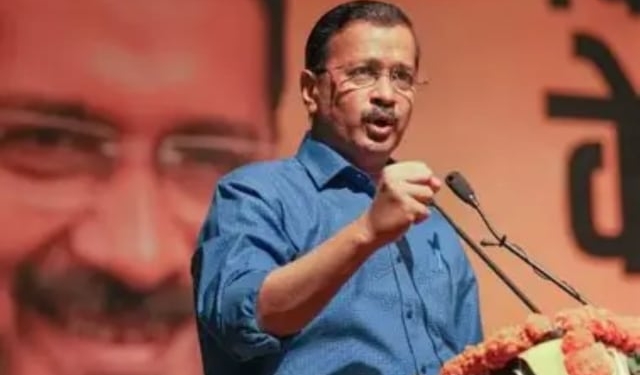
Arvind Kejriwal slammed the government for mixed signals. He claims Modi’s team talks tough on sovereignty but takes US handouts on oil deals. This waiver, Kejriwal argues, proves India caves to American pressure while chasing cheap Russian fuel.
Kejriwal ties it to home front woes. High petrol prices hurt the middle class, he says. The government uses this waiver to mask failures in energy planning. Why demand Modi’s head? Kejriwal sees it as proof of weak leadership that puts allies first over India’s pride.
His words hit hard in speeches and social media. “This is not independence,” he blasts. It paints Modi as a puppet in global games, eroding trust in foreign policy.

Analyzing the Political Timing and Target Audience-US
Kejriwal picked this moment to strike as elections near. With state polls on the horizon, AAP eyes votes from inflation-weary voters. Middle-class families, squeezed by rising bills, form his core base. He frames the issue as a fight for fair prices and strong stands.
This tactic boosts Kejriwal’s image as a bold challenger. AAP gains ground by calling out BJP on national pride. In Delhi and Punjab, where AAP rules, it rallies supporters against central power.
The demand also tests BJP’s hold. Kejriwal aims to spark wider opposition unity. Will it sway undecided voters? Time will tell, but it amps up the heat in parliament.
The Diplomatic Tightrope: India’s Balancing Act Between the US and Russia
Navigating the Indo-Pacific Strategy and US Expectations-US
India walks a fine line with the US in the Indo-Pacific. Groups like the Quad push joint efforts against China. But buying Russian oil tests that bond. The waiver hints at US patience for India’s energy hunger, yet experts debate its depth.
Defense ties grow with US tech transfers for jets and drones. Energy waivers keep things smooth. Still, Washington urges cuts in Russian imports over time. Analysts say it’s tolerance, not full buy-in, to avoid pushing India toward Moscow.
This balance shapes India’s role. Strong US links aid economic growth. Russian oil ensures fuel for 1.4 billion people. One slip could strain alliances built over years.
Historical Precedents in Indian Foreign Policy for Strategic Autonomy
India has juggled powers before. During the Cold War, it stayed neutral between the US and Soviet Union. Deals with both sides kept the economy afloat without picking teams.
Think of the 1971 war. India leaned on Soviet aid while eyeing Western trade. That non-alignment spirit lives on today. The Russian oil saga echoes those days of smart independence.
Leaders like Nehru set the tone. Now, Modi follows suit, blending old wisdom with new realities. It proves India’s knack for threading the needle in global storms.
Responses and Rebuttals from the Ruling Government
The Government’s Defense: National Interest as Paramount
The BJP government fires back with a clear message. Energy choices protect India’s wallet and jobs, they say. The Ministry of External Affairs stresses that waivers align with global talks on climate and security.
Petroleum Minister Hardeep Singh Puri highlighted import data. Russian crude helps cap prices at home. “We act for our people,” he stated in a recent press meet. Official reports show savings of $5 billion in 2023 alone from discounted buys.
This defense frames critics as shortsighted. National interest trumps political noise, officials argue. It underscores India’s right to choose suppliers in a free market.
Opposition Counter-Attack: Questioning the Credibility of the Demand
BJP leaders brush off Kejriwal’s call as cheap shots. They label it election drama from a party short on ideas. “Kejriwal ignores facts,” a senior BJP voice said. He overlooks how waivers stem from India’s firm diplomacy.
Allies point to AAP’s own record. Delhi’s power deals with private firms face similar flak. This turns the tables, making Kejriwal look like the opportunist.
The rebuttal aims to deflate the buzz. It stresses unity on foreign policy. BJP hopes to paint opponents as divisive in tough times.
The Enduring Impact on Domestic Politics and Foreign Relations
This clash over the US waiver and Russian oil reveals cracks in India’s political scene. Kejriwal’s resignation demand amps up rivalry ahead of key votes. It forces debates on how foreign moves affect daily life, from pump prices to global ties.
Key points stand out. India secures energy amid chaos, but at what cost to pride? The waiver buys time, yet highlights the pull between East and West. Domestic fury could reshape alliances within parties and across the aisle.
Long-term, this bolsters India’s push for autonomy. It shows a nation that adapts without apology. As readers, think about your fuel bill next time you hear foreign news. Stay informed—share your views on how India should navigate these waters. What do you make of Kejriwal’s bold stand?
Congress ने 6 उम्मीदवारों के नाम घोषित किए, जिनमें तेलंगाना से सिंघवी भी शामिल हैं।
Follow us on Facebook
India Savdhan News | Noida | Facebook