


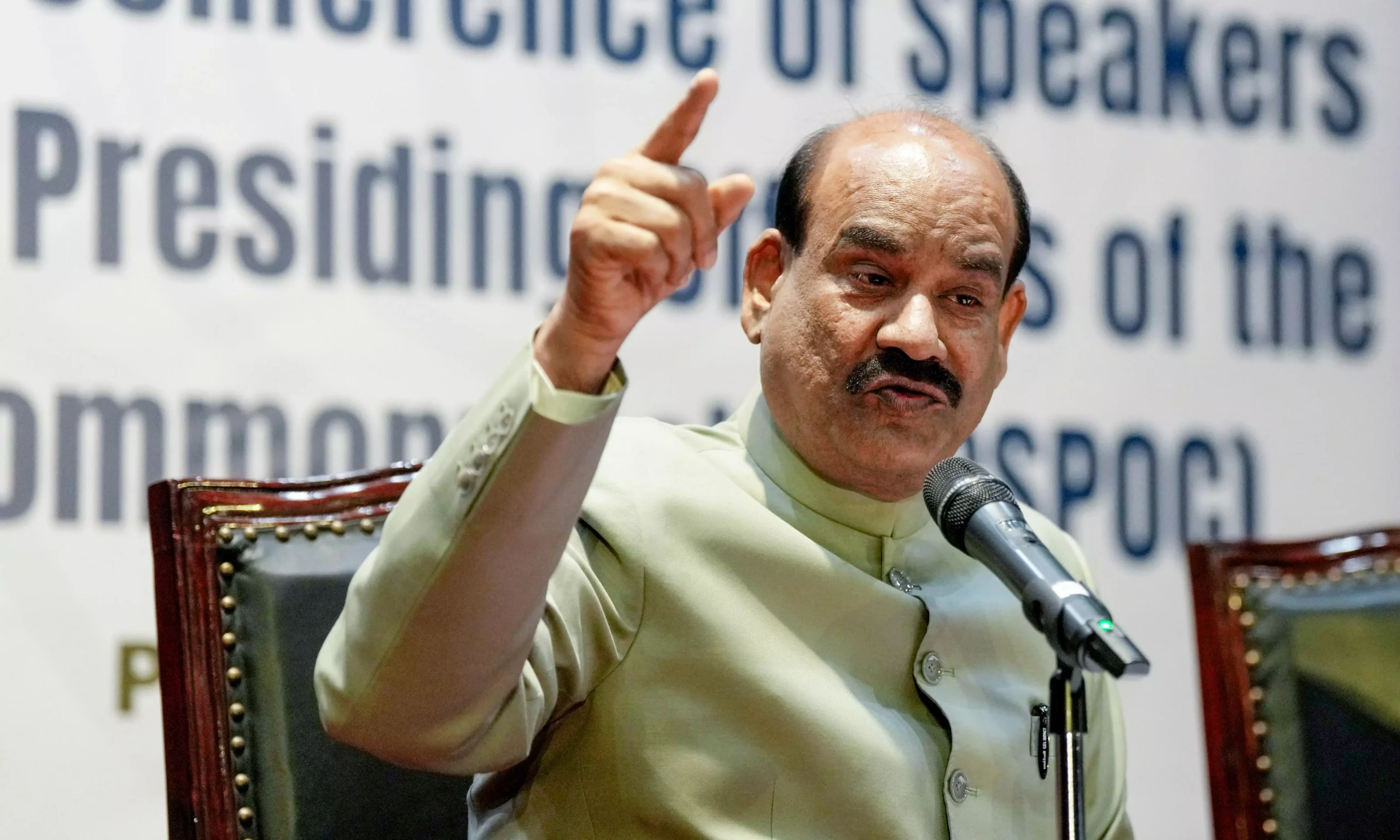
Delhi: Lok Sabha Speaker Om Birla Holds Press Conference
In the heart of Delhi’s political buzz, Lok Sabha Speaker Om Birla stepped up to the podium for a key press conference. This event came right after a stormy winter session of Parliament, where heated debates on farm laws and economic reforms grabbed headlines. You could feel the tension in the air as reporters packed the room, eager for insights on what’s next for India’s lawmaking body. This briefing isn’t just talk—it’s a roadmap for how the Lok Sabha plans to tackle big issues in 2026. We’ll break down the main points, from bill pushes to house rules, and what they mean for the nation’s future.
Political Significance of the Timing
Om Birla chose January 15, 2026, for this press meet, just days after the Republic Day prep kicked off. Parliament wrapped its last session in December with some wins but plenty of chaos from opposition walkouts. This timing hits hard because the budget session looms in February, and eyes are on how the government handles rising inflation and border talks. Birla’s words aim to calm nerves and set a steady course amid election whispers for later this year. It’s a smart move to build trust before things heat up again.
The press conference also ties into recent national events, like the G20 follow-ups on climate goals. With Delhi’s smog worsening, Birla nodded to green laws as a priority. This spotlights the Lok Sabha’s role in real-world fixes, not just floor fights.
Overview of Core Themes Addressed
Birla covered ground on several fronts during his 45-minute talk. He stressed boosting bill passages to hit 80% productivity this year. Decorum topped the list too, with calls to cut disruptions that stalled sessions last time. Infrastructure upgrades in the new Parliament building got a shout-out, promising tech boosts for smoother work. Public outreach rounded it out, urging MPs to connect more with voters back home.

These themes link back to Birla’s job as Speaker since 2019. He wants a Lok Sabha that runs like a well-oiled machine, free from the shouting matches that make headlines. Expect these ideas to shape debates soon.
Section 1: Legislative Focus and Productivity Review
Birla kicked off with a deep dive into how the Lok Sabha performed last year. He shared stats showing 112 bills passed in 2025, up from 95 the year before. Yet, he admitted disruptions ate into 20% of sitting hours. This review sets the stage for sharper focus ahead.
Assessment of the Previous Session’s Performance
Last session saw wins on the Digital India Act, which zipped through with little fuss. But protests over labor codes led to early adjournments on five days. Birla pulled data from the Lok Sabha secretariat: attendance averaged 85%, but question hours dropped by 15% due to ruckus. He praised the treasury benches for pushing reforms but called out both sides for blame games.
You might wonder why numbers matter. They show a House that’s productive when calm but fragile under pressure. Birla’s take? Time to fix that pattern.
Priorities for the Upcoming Parliamentary Schedule
Looking ahead, Birla flagged the Women’s Reservation Bill as top dog for quick action. He also pushed for climate bills tied to net-zero targets by 2070. Anti-corruption measures, like whistleblower protections, made the list too.
- Key bills in pipeline: Data Privacy Law amendments.
- Education reforms for rural schools.
- Health insurance expansions post-pandemic.
These picks align with PM Modi’s vision, but Birla stressed cross-party input to avoid blocks.
Stance on Parliamentary Reform Discussions
Birla backed tweaks to the rule book, like longer debate slots for opposition voices. He floated ideas for stronger standing committees to vet bills before floor votes. No big overhauls yet, but his office plans workshops by March.
This push feels like a breath of fresh air. Imagine fewer last-minute rushes on complex laws. Birla’s nod to reforms could ease tensions and speed up lawmaking.
Section 2: Maintaining Decorum and Accountability in Parliament
As Speaker, Birla acts like the referee in a rowdy game. He hammered home the need for order to keep the Lok Sabha credible. Recent scuffles, he said, hurt public faith in democracy. His plan? Firm rules with fair play.
Addressing Recent Instances of Disruption
Birla pointed to the December 2025 clash over Adani probes, where MPs traded shouts and papers flew. He warned that such antics won’t fly anymore, vowing suspensions for repeat offenders. “Dignity is non-negotiable,” he stated flat out.
These moments grab TV time but stall real work. Birla shared how one walkout cost two full days on budget talks. His message to MPs: Channel energy into arguments, not chaos.
Measures to Enhance Member Participation and Debate Quality
To boost talks, Birla announced mandatory training for new MPs on debate skills. He also proposed zero-hour slots for urgent issues, limited to five minutes each. Tech aids, like real-time fact-check apps, could cut false claims on the floor.
Picture this: MPs debating with data at hand, not just yells. These steps aim to make sessions more like thoughtful roundtables than shouting matches. Early signs show buy-in from junior leaders.
The Role of the Speaker in Handling Privileges Issues
On privileges, Birla clarified his power to probe leaks or insults against the House. He cited a recent case where an MP’s social media post breached rules, leading to a warning. Going forward, his team will review complaints within 48 hours.
This keeps accountability sharp without overreach. Birla stressed education over punishment, offering guidelines to avoid slips. It’s a balanced approach that guards the Lok Sabha’s honor.
Section 3: Infrastructure Development and Modernization of Parliament
The new Parliament building, part of Delhi’s Central Vista project, stole some spotlight. Birla updated on how it’s transforming daily ops. From smart halls to green features, these changes promise a modern edge.
Updates on the New Parliament Building Facilities
The complex now hosts full sessions with 888 seats, all fitted with mics and screens. Birla revealed phase two rollout by April 2026, adding lounges and creches for working parents. Security got a tech lift too, with AI cams to spot threats.
Walk through the halls, and you see wide corridors easing crowd flow. Birla noted how these fixes cut setup time for hybrid meetings by half. It’s a big step from the old setup’s creaks.
Technological Initiatives for Digital Governance
Digitization leads the charge, Birla said. E-voting for non-contentious matters rolls out soon, saving paper and time. Digital archives will let MPs access records via apps, even from constituencies.
- Tools in play: Live streaming with subtitles for wider reach.
- Cloud backups for bill drafts.
- AI summaries of debates for quick reviews.
These gadgets make the Lok Sabha feel current, like your phone’s updates. Birla tied it to e-governance goals, aiming for zero-paper sessions by 2028.
Accessibility and Member Amenities Focus
Birla committed to ramps and braille signs for disabled MPs and staff. Cafes now offer regional foods, and gyms run 24/7. He pledged budgets for these perks, saying healthy MPs mean sharp minds.
Think of it as upgrading from a rusty bike to a smooth ride. These touches show care for the people inside, boosting morale amid long hours.
Section 4: Engagement with Stakeholders and Public Outreach
Birla didn’t stop at internal fixes—he reached out to the world beyond Parliament’s walls. He painted a picture of a Lok Sabha open to inputs from courts, execs, and everyday folks. This builds bridges in a divided scene.
Relationship Dynamics with the Executive and Judiciary
On separation of powers, Birla urged teamwork without meddling. He praised joint sessions on disaster laws but flagged delays in ordinance approvals. With the Supreme Court, he welcomed rulings on floor rights, vowing compliance.
It’s like branches of a tree supporting each other. Birla’s calm tone eased fears of clashes, especially on pending cases like electoral bonds.
Initiatives for Public Understanding of Parliamentary Functions
To demystify lawmaking, Birla announced school tours to the new building starting February. Online portals will track bill progress in simple terms. He pushed MPs to hold town halls, sharing session highlights.
- Planned events: Webinars on budget basics.
- Youth contests for law ideas.
- Social media explainers from his office.
These moves turn Parliament from a far-off place into something relatable. Birla asked, “Why not let kids see democracy in action?”
Emphasis on Cross-Party Consensus Building
Birla highlighted all-party meets to hash out differences. He credited last year’s farm bill tweaks to such talks. Future focus: Consensus on foreign policy debates.
Building agreement takes work, like herding cats sometimes. Yet Birla’s push could quiet the noise and pass stronger laws.
The Path Forward Guided by the Speaker’s Vision
Om Birla’s press conference in Delhi lays out a clear blueprint for the Lok Sabha’s 2026 run. From cranking up bill speeds to tech upgrades, his words signal action over words. The mix of discipline, reforms, and outreach paints an optimistic picture for India’s Parliament.
Key Takeaway 1: Legislative Momentum
The big win? Pushing key bills like women’s quotas front and center. This keeps the House moving on promises that touch lives.
Key Takeaway 2: Commitment to Order
Birla’s stand against chaos ensures debates stay productive. No more lost days to drama—focus stays on the people’s business.
Final Thought: Implications for the Current Political Term
These directives will steer the Lok Sabha through tough months ahead. With budget battles and global ties in play, Birla’s lead could spark real progress. Stay tuned as these ideas hit the floor—what changes will you see? Dive into Lok Sabha updates and join the conversation on how it shapes our democracy.