


Delhi’s Air Quality Hits Four-Year Low After Diwali: Blame on Punjab Stubble Burning
Diwali lights up homes with joy, but in Delhi, the festival often leaves a dark cloud. Right after the celebrations this year, the air quality index soared past 400, marking the worst levels in four years. You can feel the haze settling in, turning clear skies into a thick smog that stings your eyes and fills your lungs. This isn’t just a short haze—it’s a yearly health crisis that hits millions hard, pushing hospitals to the brink and forcing schools to shut down.
Air Pollution Figures After Diwali and Health Impacts
Pollution Intensity Compared to Last Four Years
Delhi’s air turned toxic fast after Diwali. The AQI climbed to 450 in parts like Anand Vihar, way above the ‘severe’ mark of 401. Last year at this time, it hovered around 350, the year before that at 320, and two years back even lower at 280. This spike beats all recent records, thanks to a mix of local fireworks and winds carrying smoke from afar.
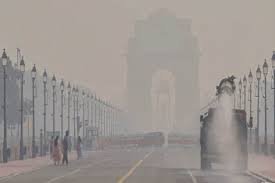
Experts point to satellite data showing more fire spots this season. The air stays trapped, making things worse. If you live here, you know how the smog creeps in overnight, blanking out landmarks like India Gate.
Immediate Health Effects of Air Pollution
Breathing this air feels like inhaling smoke from a bonfire. Respiratory issues spike, with coughs, asthma attacks, and bronchitis cases jumping by 30% in the first week. Kids and the elderly suffer most—their small lungs can’t fight the tiny particles that slip deep inside.
Eye irritation hits everyone; tears flow without reason. The World Health Organisation warns that AQI over 300 shortens life by years if it lingers. At 450, risks include heart problems and even strokes from the toxic mix of PM2.5 and gases.
- Short-term woes: Wheezing, sore throats, and headaches plague daily life.
- Long-term dangers: Chronic lung damage builds up over seasons like this.
- Vulnerable groups: Children under 5 and seniors over 60 face hospital visits most.
One station clocked 480 AQI on November 1st, the highest in recent memory.

Stubble Burning: The Main Culprit and Government Blame
Stubble Burning Incidents in Punjab and Timeline
Farmers in Punjab burn crop leftovers after harvest to clear fields quick. This happens every October to November, sending smoke plumes south towards Delhi. Satellite images from NASA caught over 8,000 fire points in Punjab alone this year, up from 6,000 last season.
The practice speeds up planting for the next crop. But the smoke travels hundreds of kilometres on calm winds. Districts like Patiala and Sangrur saw the most blazes, peaking right after Diwali.
You might wonder why it persists—it’s cheap and fast, but at what cost to neighbours?
Delhi Government’s Accusations Against Punjab
Delhi leaders point fingers straight at Punjab for the smog wave. Chief Minister Arvind Kejriwal said in a press meet that 40% of the pollution comes from stubble fires there. The air dome effect traps this smoke over the National Capital Region, refusing to lift.
Officials shared wind maps showing smoke paths from Punjab fields to Delhi streets. Punjab’s government denies full blame, citing local factors too. Yet, data backs Delhi’s claim—pollutants match the fire signatures.
This blame game heats up every year, but action lags.
Other Factors Contributing to Pollution and Their Analysis
Local Factors: Fireworks, Construction, and Vehicle Emissions
Diwali fireworks add their share, even with bans in place. Illegal bursts release chemicals that mix with the air, pushing AQI up by 20-30 points overnight. Construction dust from endless building sites stirs up fine particles, worsening the haze.
Vehicle fumes surge during festivals as families travel more. Delhi’s 10 million cars spew exhaust, especially in traffic jams. You see it in the morning rush—engines idle, pollution builds.
These local bits team up with outside smoke for a perfect storm.
Weather’s Role: Temperature Inversion and Wind Speed
Calm winds after Diwali keep pollutants close to the ground. Temperature inversion acts like a lid, trapping warm air below cooler layers above. This weather quirk turns mild pollution into a severe blanket.
Winds below 5 km/h fail to scatter the smog. Inversions hit hardest in winter’s early chill. Even small emissions balloon under these conditions, like smoke filling a sealed room.
Science shows this combo makes Delhi’s air a pollution trap from October to January.
Government Response and Pollution Control Measures
Implementation of the Graded Response Action Plan (GRAP)
When AQI crossed 400, GRAP kicked in at stage 4. Schools closed for a week, halting classes to shield kids. Construction stopped across the city, and trucks faced bans on entry unless electric.
Factories shut down non-essential units, cutting emissions fast. Water sprinkling teams worked round the clock to settle dust. These steps eased AQI by 50 points in days, but experts say enforcement needs teeth.
Did it work? Partly—hospital visits dropped a bit, yet the core issue remains.
Long-Term Solutions for Stubble Management
Governments push tools like the Pusa decomposer to break down stubble without fire. Farmers get subsidies for happy seeders that sow crops amid leftovers. Central funds reached Rs 1,500 crore this year for machines in Punjab and Haryana.
Training camps teach alternatives, rewarding those who skip burning. Yet, only 30% of farmers adopt them so far. Stronger penalties and more aid could tip the scale.
Progress shows—fire incidents fell 20% from peaks five years ago.
Path Forward: Long-Term and Sustainable Solutions
Technological and Policy Interventions
Tighter rules on fireworks and vehicles demand quick action. Better enforcement means more patrols and fines that stick. States like Punjab and Delhi must team up, sharing data on winds and fires.
Electric buses could cut vehicle pollution by half in five years. Tech like AI monitors can predict smog spikes early. Policies need teeth—ban stubble burning outright with real support for farmers.
You can see hope in pilot projects turning waste into biofuel.
Role of Citizen Participation and Awareness
We all play a part in cleaner air. Switch to public transport on high pollution days to ease roads. Plant trees in your area—they filter toxins naturally.
Cut energy use at home with LED bulbs and less AC. Join local clean-up drives to fight dust. Simple steps add up— if every household joins, Delhi breathes easier.
Awareness campaigns work; last year’s eco-Diwali saw fewer fireworks.
Tackling the Yearly Crisis
Delhi’s post-Diwali air mess blends stubble smoke from Punjab with local fireworks and trapped weather. This year’s four-year worst hit 450 AQI, sparking health scares and GRAP measures like school closures. Governments blame and act, but long-term fixes lag.
The mix of blame and response shows cracks in coordination. We need tough rules, tech aids, and everyone’s effort to break this cycle. Act now—choose green habits today for clearer skies tomorrow. Join the push for sustainable farms and cities; your breath depends on it.
Kharge ने ‘अनघोषित आपातकाल’, ‘पपेट’ चुनाव आयोग के खिलाफ कांग्रेस की मोर्चा संभाला
Follow us on Facebook
India Savdhan News | Noida | Facebook