


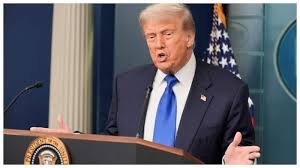
Why Does Trump Declare ‘Emergencies’ and Impose Bills on Taxpayers? A Deep Analysis
Imagine a leader who skips Congress to build a wall. Funds come from your pocket without a vote. That’s the story of Donald Trump’s emergency declarations. They sparked fights in courts and debates in homes. This piece digs into why he did it and how it hit American wallets hard.
We look at the laws behind these moves. Key examples from his time in office show the pattern. Plus, we break down the money trail and long-term costs. By the end, you’ll see the full picture of power plays and taxpayer pain.
Legal Basis and Purpose of Emergency Declarations
Who Grants the President Emergency Powers?
Congress passed the National Emergencies Act in 1976. It lets the president act fast in crises. Think wars abroad or storms at home. These powers help shift resources quick.
The law aims to handle real threats. Not to dodge votes on big projects. Presidents must tell Congress right away. But checks stay loose. That opens doors for bold steps.
Over 50 emergencies ran during Trump’s years. Many lingered from past leaders. He added his own twist to push goals.
Trump’s Expansion of What Counts as an ‘Emergency’
Trump saw border issues as dire threats. He called the southern border a “humanitarian and security crisis.” This differed from classic emergencies like floods or attacks. It felt more like policy beef.
In 2019, he signed the big one. It targeted illegal crossings and drugs. Critics said it stretched the law thin. Traditional emergencies hit fast and hard. His version built slow over years.
This shift let him tap funds Congress blocked. It turned a debate into action. But it raised red flags on abuse.
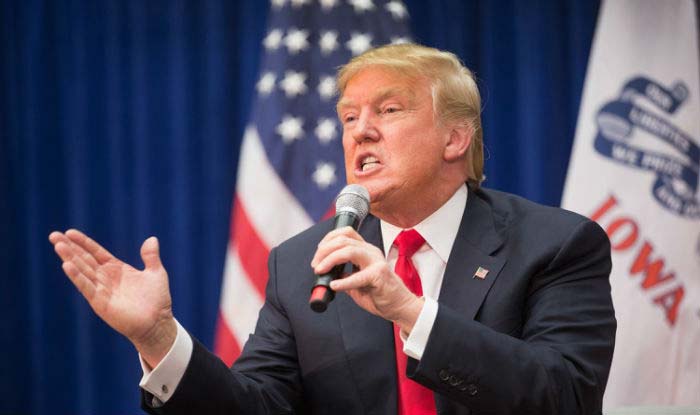
Using Emergency Powers to Fund the Border Wall
Redirecting Funds for Wall Construction
Trump pulled money from key spots. The Defense Department lost billions first. Army projects got cut to pay for steel barriers. The Agriculture Department chipped in too. Farmers’ aid funds went to walls in remote spots.
Estimates put the shift at over $10 billion. Congress approved less than $1.4 billion for the wall. He bypassed that limit. This move funded 450 miles of fencing. But it meant less cash for troops and tools.
Redirects hit military bases hard. Training got delayed. Troops felt the pinch in daily work.
Legal Challenges and Court Interventions
Lawsuits flew fast. Groups like the ACLU sued right away. They claimed it broke spending rules. Lower courts blocked some transfers. One judge halted funds for California sections.
The Supreme Court stepped in during 2019. It let building go on while fights continued. But rulings split. Some money stayed frozen. Projects slowed as appeals dragged.
By 2021, over 100 suits piled up. Courts forced changes in plans. Walls rose, but at a steep price in time and cash.
Financial Burden on Taxpayers and Long-Term Costs
Direct Taxpayer Funding vs Redirected Money
Tax dollars paid either way. Redirects just hid the hit. When military funds moved, other needs suffered. Schools near bases lost upgrades. Vets’ programs waited longer.
The wall’s total bill topped $15 billion. That’s upkeep included. Initial plans guessed $5 billion. Reality doubled it with extras. Taxpayers footed every bolt and beam.
Hidden costs grew. Legal fees ate millions. States sued and won back some cash. Your taxes covered those battles too.
- Border Patrol overtime spiked during builds.
- Local roads cracked under truck traffic.
- Wildlife studies added environmental tabs.
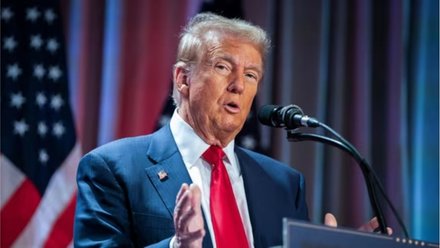
Delays in Projects and Rising Costs from Inefficiency
Court fights stalled miles of wall. Land buys took years in Texas spots. One mile cost $20 million in tough terrain. Easy stretches ran $6 million each.
Experts point to waste. Economist Mark Zandi said emergency cash messes budgets. It skips smart planning. Long-term, debt climbs without fixes.
Delays meant more interest on loans. Builds rushed in spots led to fixes later. Taxpayers paid twice for sloppy work.
Political Impact of Emergency Declarations and Messaging
Strengthening Trump’s Base Through Action
Trump sold it as tough leadership. His voters loved the “do it now” vibe. Even if Congress said no, he pushed ahead. It painted him as the fighter against gridlock.
Democrats called it a power grab. He dodged their control on the purse. This fired up his crowd at rallies. Polls showed base support held firm.
It became a symbol. The wall stood for promises kept. Emergencies let him claim wins fast.
Implications for Future Presidents
Trump’s playbook sets a trend. Any leader could declare crises for pet projects. Democrats might use it for climate cash. Republicans for more walls.
This risks a cycle of skips. Congress looks weak each time. Reforms call for tighter rules. Like sunsets on emergencies or veto-proof votes.
Experts urge updates to the 1976 law. Without them, power tilts to the White House. Future bills could soar unchecked.
Balancing Power and Accountability
Trump used emergencies to chase border goals. He tapped legal gray zones for political edge. Taxpayers bore the load through redirects and overruns. Walls rose, but so did doubts.
Key takeaways hit home. These declarations speed action but spark lasting fights. They cost more than planned. And they test democracy’s checks.
What do you think? Is skipping Congress okay for security? Share your view below. Stay informed on how your dollars shape policy.
Kharge ने ‘अनघोषित आपातकाल’, ‘पपेट’ चुनाव आयोग के खिलाफ कांग्रेस की मोर्चा संभाला
Follow us on Facebook
India Savdhan News | Noida | Facebook